
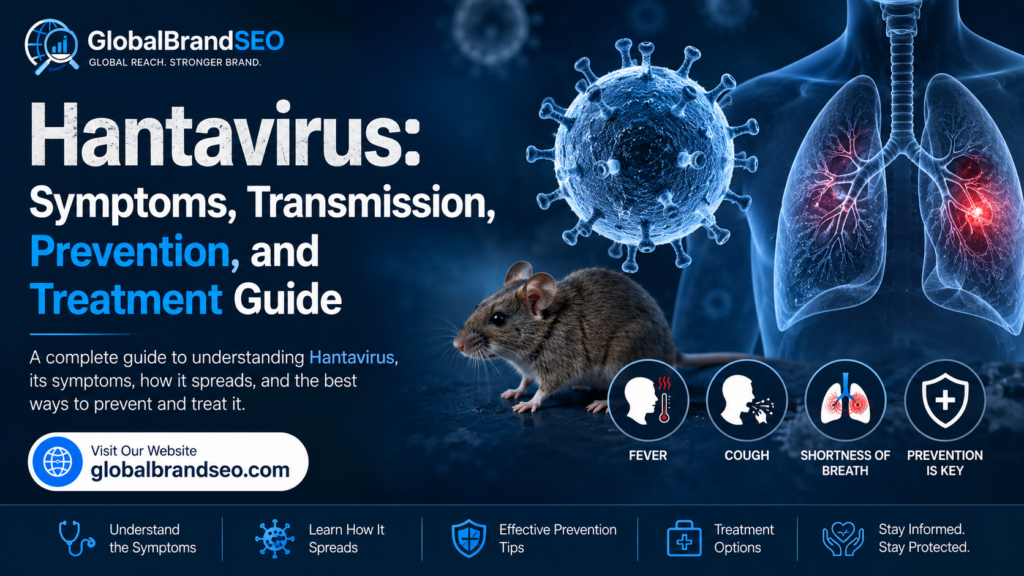

Hantavirus is a rare but potentially life-threatening virus that primarily affects humans through exposure to infected rodents. While it is not as widely known as some other viral infections, hantavirus has significant health implications, especially in rural and semi-urban areas where human-rodent interactions are common. Understanding the virus, its symptoms, modes of transmission, and preventive measures is crucial for anyone living in or visiting areas where hantavirus is prevalent. This guide provides a comprehensive overview to help you stay informed and safe.
What is Hantavirus?
Hantavirus is a genus of viruses carried by certain rodent species, including deer mice, cotton rats, and other rodents. The virus is primarily transmitted to humans through inhalation of aerosolized particles from rodent urine, droppings, or saliva. Unlike many viruses that spread easily between humans, most hantaviruses are not contagious from person to person. The virus can lead to serious illnesses, including Hantavirus Pulmonary Syndrome (HPS) and Hemorrhagic Fever with Renal Syndrome (HFRS), depending on the strain and region. Understanding what hantavirus is, and how it interacts with both rodents and humans, is the first step in preventing exposure and managing outbreaks effectively.
Symptoms of Hantavirus
Hantavirus symptoms can vary depending on the strain of the virus, but they typically develop within 1 to 8 weeks after exposure. Early symptoms often resemble those of influenza and include fever, fatigue, muscle aches, and headaches. Gastrointestinal symptoms such as nausea, vomiting, and abdominal pain may also occur. In severe cases, hantavirus can progress to Hantavirus Pulmonary Syndrome (HPS), which is characterized by difficulty breathing, fluid accumulation in the lungs, and rapid deterioration of oxygen levels. Hemorrhagic Fever with Renal Syndrome (HFRS), more common in Asia and Europe, primarily affects kidney function and may cause bleeding, low blood pressure, and multi-organ failure. Early recognition of symptoms is essential, as prompt medical attention can improve outcomes.
How Hantavirus is Transmitted
Hantavirus transmission to humans occurs mainly through contact with infected rodents or their excretions. The virus becomes airborne when dried urine, feces, or saliva of rodents are disturbed, and inhaled by humans. This makes cleaning rodent-infested areas, such as barns, sheds, or attics, particularly risky. Less commonly, hantavirus can enter the body through bites from infected rodents or contact with broken skin. While person-to-person transmission is extremely rare, certain strains in South America have shown limited human-to-human spread. Preventing transmission involves understanding these pathways and taking protective measures, especially in areas where rodents are prevalent.
High-Risk Areas for Hantavirus Exposure
Hantavirus is most commonly found in rural areas, particularly in regions where humans and rodents share living spaces. In North America, the United States sees most cases in the Southwest and Western states, while Europe and Asia report different strains associated with local rodent populations. People living or working in forests, farmlands, and other natural habitats are at higher risk. Occupations like farming, forestry, and construction may increase exposure. Even urban areas are not entirely safe if rodent infestations exist. Understanding the environmental risk factors can help individuals take proactive steps to reduce the likelihood of infection.
Diagnosing Hantavirus
Diagnosing hantavirus can be challenging due to its initial flu-like symptoms. Healthcare providers often rely on a combination of patient history, particularly exposure to rodents, and laboratory tests to confirm infection. Blood tests can detect antibodies specific to hantavirus or identify the virus’s genetic material using PCR (polymerase chain reaction) testing. Imaging, such as chest X-rays, may also be used to assess lung involvement, especially in suspected Hantavirus Pulmonary Syndrome cases. Timely diagnosis is critical, as early intervention and supportive care can significantly improve survival rates.
Treatment Options for Hantavirus
Currently, there is no specific antiviral treatment for hantavirus, and care primarily focuses on supportive measures. Patients with Hantavirus Pulmonary Syndrome may require hospitalization, oxygen therapy, and in severe cases, mechanical ventilation. Maintaining fluid balance and blood pressure is essential, particularly in HFRS cases. Ribavirin, an antiviral drug, has shown some effectiveness against certain hantavirus strains when administered early, but it is not universally used. Recovery can be prolonged, with some patients experiencing lingering fatigue and respiratory issues. Early medical intervention and careful monitoring are crucial for managing hantavirus infections effectively.
Preventing Hantavirus Infection
Preventing hantavirus involves minimizing exposure to rodents and their excretions. Key preventive measures include sealing homes and buildings to prevent rodent entry, storing food in rodent-proof containers, and keeping living spaces clean. When cleaning areas potentially contaminated with rodent droppings, wearing gloves, masks, and ventilating the space is vital. Avoid sweeping or vacuuming droppings, as this can aerosolize the virus; instead, dampen the area with disinfectant before cleaning. Public health campaigns often emphasize rodent control and hygiene education, as these strategies are the most effective way to prevent hantavirus infections.
Living Safely in Hantavirus-Prone Areas
For individuals living in hantavirus-prone regions, adopting lifestyle habits that reduce exposure is essential. Regularly inspecting homes for signs of rodents, using traps safely, and avoiding contact with wild rodents are critical steps. Camping or hiking in rural areas should involve precautions such as using enclosed tents and storing food away from sleeping areas. Educating family members about the risks and symptoms of hantavirus ensures that potential infections are recognized early. Combining environmental awareness with personal safety measures provides the most reliable protection against hantavirus.
Hantavirus and Public Health
Hantavirus outbreaks, although rare, present significant challenges for public health authorities. Monitoring rodent populations, educating the public, and implementing control measures are essential for reducing infection rates. Epidemiological studies help identify high-risk regions and guide prevention strategies. Public health agencies often provide guidelines for safe cleaning practices, reporting suspected cases, and seeking medical attention. Increasing awareness about hantavirus contributes to better preparedness and reduces the risk of severe disease outcomes.
Future Research and Vaccine Development
Research on hantavirus continues to focus on understanding viral behavior, improving diagnostics, and developing vaccines. Currently, there is no widely available vaccine for hantavirus in most countries, although experimental vaccines have shown promise in clinical trials. Scientists are also exploring antiviral therapies and improved supportive care techniques to reduce mortality rates. Continued research and international collaboration are vital for mitigating the global impact of hantavirus and protecting vulnerable populations.
Hantavirus, while rare, is a serious health threat that requires awareness, preventive measures, and prompt medical attention. By understanding the virus, recognizing symptoms, and adopting safe practices, individuals can significantly reduce their risk of infection. This comprehensive guide provides essential information to help communities stay safe and informed about hantavirus.