

Introduction
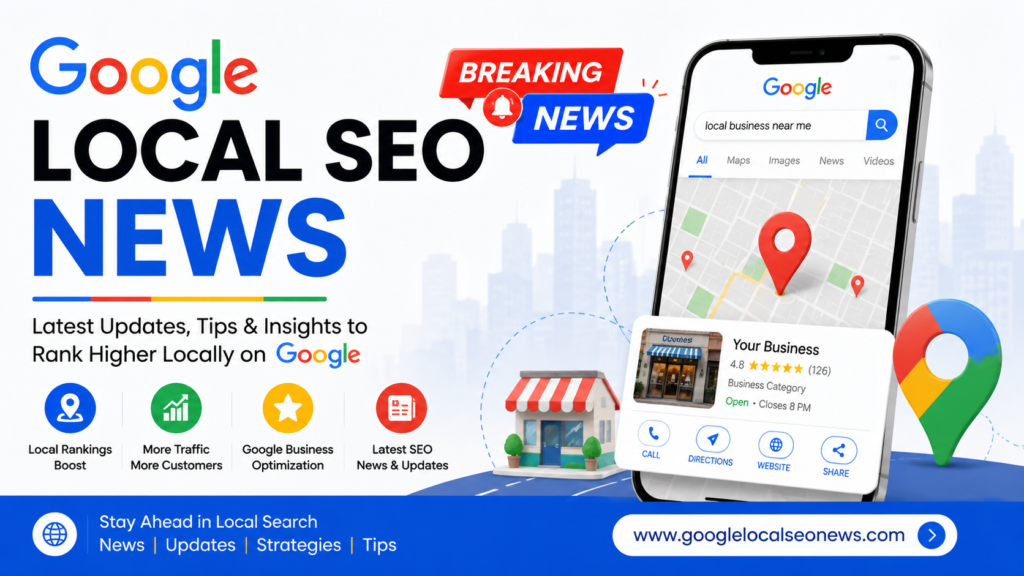
Local search optimization continues to be a cornerstone of digital marketing, and staying updated with Google Local SEO news is essential for businesses aiming to dominate nearby searches. Google frequently updates its local search algorithms, tools, and features—impacting how businesses appear on Google Maps, Local Packs, and search results.
This article explores the latest Google Local SEO news, algorithm changes, best practices, and actionable strategies for businesses in 2026. Whether you’re a small business owner, marketer, or SEO professional, understanding these updates will ensure your local search visibility remains strong and competitive.
What is Google Local SEO?
Google Local SEO refers to optimizing a business’s online presence to attract more customers from local searches. These searches often include terms like “near me” or a city/location name, e.g., “coffee shop in Austin.”
Local SEO encompasses multiple elements: Google Business Profile (GBP), local citations, reviews, local keywords, and structured data. The goal is to appear prominently in Google Local Packs, Maps, and organic search results.
Difference Between Local SEO and Traditional SEO
While traditional SEO focuses on global or broad search visibility, local SEO zeroes in on location-based searches. Local SEO prioritizes relevance, proximity, and prominence—three pillars that Google considers when ranking businesses locally.
Why Local SEO Matters
A 2025 BrightLocal study revealed that 78% of local mobile searches result in offline purchases, highlighting the critical impact of local SEO on business growth. Additionally, appearing in Google Maps and Local Packs increases credibility and attracts nearby customers actively searching for products or services.
Recent Google Local SEO Updates in 2026
Google continuously refines local search algorithms, affecting how businesses rank and appear in local search results.
Algorithm Changes
In 2026, Google has emphasized proximity, user experience, and review authenticity more than ever. Businesses with accurate NAP (Name, Address, Phone) details, high-quality images, and verified profiles have an edge in local rankings.
Google Business Profile Enhancements
Recent GBP updates include new features such as:
- Product and service catalogs directly in listings
- Video uploads for better engagement
- Automated updates using AI for business hours or special notices
These features allow businesses to provide a richer experience to searchers, improving click-through and conversions.
Maps and Local Pack Changes
Google Maps now prioritizes:
- Hyper-local keywords
- Popularity metrics (reviews, ratings)
- Engagement signals like clicks and calls
Businesses that maintain active profiles and respond to reviews quickly see improved Maps visibility.
Best Practices for Google Local SEO in 2026
Optimizing for local search requires a combination of on-page, off-page, and profile-based strategies.
Google Business Profile Optimization
- Ensure accurate NAP information
- Use high-quality images and videos
- Add business categories and attributes
- Encourage customer reviews and respond promptly
Local Keyword Strategy
Incorporate geo-specific keywords naturally across website content, meta descriptions, and headings. For example, instead of “best restaurant,” use “best Italian restaurant in Chicago.”
Citations and Backlinks
Citations from authoritative local directories (Yelp, BBB, TripAdvisor) strengthen credibility. Local backlinks from community blogs, news sites, or partner websites improve domain authority.
Reviews and Reputation Management
Customer reviews are a ranking factor for Google Local SEO. Strategies include:
- Encouraging reviews post-service
- Responding professionally to negative feedback
- Showcasing reviews on your website
Leveraging AI and Automation for Local SEO
Artificial intelligence tools now assist businesses in automating updates, monitoring rankings, and identifying opportunities.
AI-Powered Listing Optimization
Platforms like BrightLocal and SEMrush offer AI suggestions for:
- Updating business hours dynamically
- Highlighting missing categories
- Flagging duplicate listings
Chatbots and Messaging Integration
Integrating chatbots via Google Business Profile can increase engagement, driving both user satisfaction and ranking signals.
Tracking Local SEO Performance
Monitoring results is critical to understanding what strategies work and where improvements are needed.
Key Metrics
- Google Maps clicks and direction requests
- Call and message counts from GBP
- Review volume and sentiment
- Local keyword rankings
Tools for Analytics
Google Analytics, Google Search Console, and specialized local SEO tools help track traffic, clicks, and search impressions for location-specific pages.
Case Studies: Local SEO Success Stories
Small Business Example
A local coffee shop in Austin optimized its GBP with images, menu listings, and geo-specific keywords. Within three months, Google Maps queries increased by 65%, and foot traffic rose by 40%.
Multi-Location Example
A regional gym chain implemented local content, structured data, and automated review responses across multiple locations. Result: Every location ranked in the top 3 of Local Packs, boosting memberships by 28%.
Emerging Trends in Google Local SEO
Voice Search Optimization
Voice search continues to grow, especially for “near me” queries. Businesses need concise, conversational content optimized for voice queries.
Mobile-First Indexing
Google now predominantly indexes mobile content. Mobile-friendly sites with fast load times and local schema markup see better local rankings.
Hyper-Local Content Marketing
Blogging about local events, news, or community updates strengthens authority and relevance in hyper-local searches.
Common Pitfalls to Avoid
- Inconsistent NAP information – leads to ranking drops
- Ignoring reviews – negative reviews left unaddressed hurt credibility
- Over-optimization – keyword stuffing can result in penalties
- Duplicate listings – confuse Google’s indexing and reduce visibility
- Neglecting mobile optimization – most local searches happen on mobile
Actionable Strategies to Implement Today
- Claim and verify your Google Business Profile
- Audit your NAP consistency across directories
- Encourage and respond to genuine customer reviews
- Use geo-targeted keywords naturally in website content
- Add images, videos, and posts regularly to GBP
- Monitor local rankings and traffic with analytics tools
- Engage in community partnerships to acquire local backlinks
Conclusion
Staying updated with Google Local SEO news is crucial for businesses targeting local customers. By optimizing your Google Business Profile, leveraging AI tools, monitoring performance metrics, and implementing best practices, businesses can achieve higher local rankings and better customer engagement.
The landscape of local search is evolving, and those who adapt to changes quickly—embracing AI, mobile-first indexing, and hyper-local content—will dominate the local search results in 2026 and beyond.
FAQs
Q1: How often does Google update local search algorithms?
A: Google frequently updates local search algorithms, sometimes multiple times per year. Staying updated through official announcements and industry news is essential.
Q2: Can small businesses compete with larger brands in local SEO?
A: Yes, hyper-local strategies, optimized GBP, and community engagement can help small businesses rank alongside larger competitors.
Q3: Does responding to reviews affect local SEO rankings?
A: Yes, active review management signals engagement and credibility to Google, positively impacting rankings.
Q4: Are Google Business Profile posts important for local SEO?
A: Absolutely. Regular posts improve engagement, provide fresh content, and enhance ranking signals in Local Packs.
Q5: How does mobile optimization impact local SEO?
A: Mobile-first indexing means Google primarily evaluates mobile content. Fast, responsive sites rank higher in local searches.