

Introduction: Understanding IVDD in Dogs
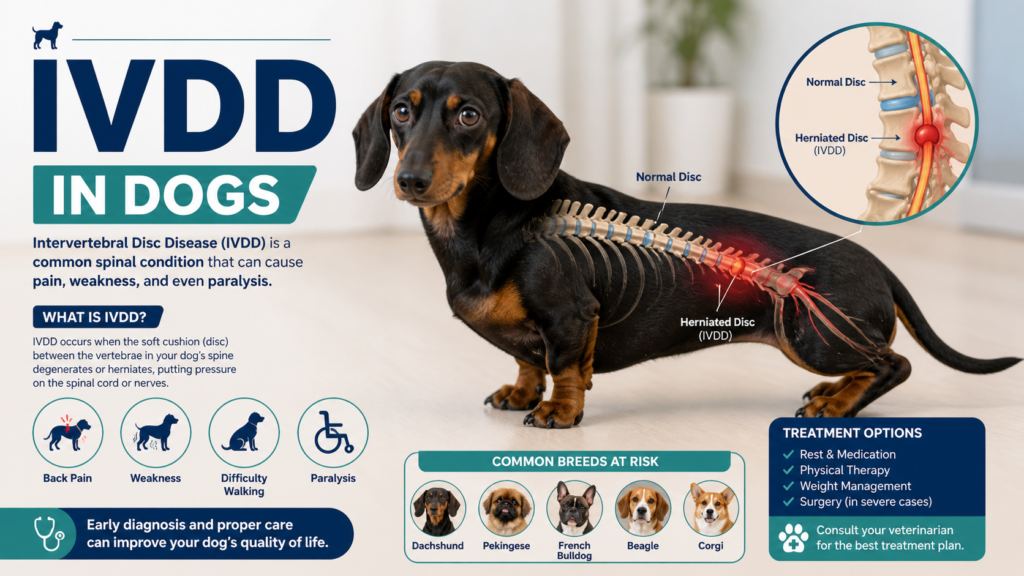
Intervertebral Disc Disease (IVDD) is a common yet often misunderstood condition in dogs that can severely affect their mobility and quality of life. IVDD occurs when the intervertebral discs, which act as cushions between the vertebrae in the spine, degenerate or slip out of place, resulting in pain, nerve damage, and in some cases, paralysis. This article will explore the symptoms, causes, treatment options, and preventive measures for IVDD in dogs, empowering pet owners with the knowledge they need to care for their furry companions.
What is IVDD in Dogs?
IVDD is a condition where the intervertebral discs in the spine of dogs become damaged, leading to compression of the spinal cord or nerve roots. This results in a range of symptoms, from mild pain to severe neurological impairment. IVDD can affect any dog, but it is most common in certain breeds, particularly those with long backs and short legs, such as Dachshunds, Beagles, and Corgis. Understanding the mechanics of this disease is key to recognizing the symptoms and seeking early treatment.
Types of IVDD: Hansen Type I and Type II
There are two main types of IVDD in dogs: Hansen Type I and Hansen Type II. Both types result from the degeneration of the intervertebral discs, but they differ in their pathology and how they affect the dog’s health.
- Hansen Type I IVDD: This type is characterized by the sudden rupture or herniation of the disc. It is more common in younger dogs and typically results in a more acute onset of symptoms, often leading to severe pain or paralysis.
- Hansen Type II IVDD: This type involves the gradual bulging of the disc, leading to chronic symptoms. It is often seen in older dogs and can lead to more progressive symptoms over time. This section will delve into both types in greater detail, including how they differ in their presentation and treatment options.
Symptoms of IVDD in Dogs: How to Recognize the Signs
The symptoms of IVDD can range from mild to severe, and they depend on the severity and location of the disc problem. Common symptoms include:
- Pain: Dogs with IVDD may exhibit signs of pain, including whining, crying, or sensitivity when touched on the back.
- Limping or Difficulty Walking: IVDD often causes difficulty walking, with dogs dragging their feet or favoring one side.
- Loss of Coordination: In severe cases, dogs may lose their ability to coordinate their movements, leading to stumbling or falling.
- Paralysis: If the condition is left untreated, dogs can suffer from partial or complete paralysis, especially in the hind limbs. Recognizing these symptoms early can significantly improve the chances of a successful treatment outcome, so it is essential for pet owners to be vigilant.
Risk Factors: Which Dogs Are Most Prone to IVDD?
Certain dog breeds are more prone to developing IVDD due to their physical characteristics, particularly those with long bodies and short legs. Some of the most commonly affected breeds include:
- Dachshunds: Known for their long backs, Dachshunds are among the most susceptible to IVDD.
- Corgis: Similar to Dachshunds, Corgis have long bodies and short legs, making them prone to spinal problems.
- Beagles and Basset Hounds: These breeds are also predisposed due to their body structure. In addition to breed, other risk factors include age (IVDD is more common in older dogs) and obesity, which can put additional strain on the spine. This section will provide a deeper look at these risk factors and what pet owners can do to reduce the likelihood of their dog developing IVDD.
Diagnosing IVDD in Dogs: How Veterinarians Identify the Condition
If you suspect that your dog has IVDD, it is crucial to seek veterinary care. The diagnosis of IVDD typically involves a combination of a physical exam and diagnostic imaging, such as X-rays, CT scans, or MRI scans. These tests help to identify the location and severity of the disc problem. Additionally, the veterinarian may perform neurological tests to assess your dog’s reflexes, coordination, and pain response. This section will explain the diagnostic process in detail, including what you can expect during your visit to the vet and how the tests are conducted.
Treatment Options for IVDD in Dogs: From Conservative to Surgical Care
The treatment of IVDD in dogs depends on the severity of the condition, the type of IVDD, and the overall health of the dog. Treatment options include:
- Conservative Management: In mild cases, conservative treatments such as pain medications, anti-inflammatory drugs, rest, and physical therapy can be effective in managing symptoms and improving mobility.
- Surgical Intervention: In more severe cases, particularly when the dog is paralyzed or does not respond to conservative treatment, surgery may be necessary. The goal of surgery is to relieve pressure on the spinal cord or nerves, which may involve removing part of the herniated disc.
- Post-Surgery Rehabilitation: After surgery, rehabilitation is crucial to help your dog regain strength and mobility. This may include physical therapy, hydrotherapy, and controlled exercise. This section will provide a detailed overview of all treatment options, including when each is appropriate and what you can expect during the recovery process.
Preventing IVDD in Dogs: Tips for Maintaining Spinal Health
While not all cases of IVDD can be prevented, there are steps pet owners can take to reduce the risk of their dog developing this condition. Prevention strategies include:
- Maintaining a Healthy Weight: Obesity puts additional strain on the spine, increasing the risk of IVDD.
- Avoiding Excessive Jumping: Prevent your dog from jumping off high surfaces or engaging in activities that put stress on the spine.
- Regular Exercise: Keeping your dog fit and active strengthens the muscles around the spine, providing better support.
- Providing a Proper Bed and Support: Use orthopedic beds to give your dog proper spinal support while they sleep. This section will explore how lifestyle changes can reduce the risk of IVDD and improve your dog’s overall spinal health.
Living with a Dog Diagnosed with IVDD: Long-Term Care and Management
After your dog has been diagnosed with IVDD, it is essential to provide long-term care to ensure they lead a happy, comfortable life. This section will focus on managing life with an IVDD-affected dog, including:
- Home Modifications: Making changes to your living space, such as using ramps instead of stairs, to help your dog navigate more easily.
- Ongoing Veterinary Care: Regular check-ups with your veterinarian to monitor your dog’s condition and prevent complications.
- Adjusting to New Limitations: Adjusting your dog’s daily routine and activities to accommodate their new needs, ensuring they remain comfortable and mentally stimulated.
Conclusion: Protecting Your Dog’s Spine and Quality of Life
IVDD in dogs is a serious condition, but with early detection and the right treatment, many dogs can lead full, active lives. Whether your dog is showing early symptoms or you’re looking for ways to prevent IVDD from developing, it’s important to understand the condition and take proactive steps to protect their spine. By staying informed and working closely with your veterinarian, you can give your dog the best chance at a happy, healthy future.